
Thermionic ion sources with silicon carbide block heater technology (Li, Na, K, Rb and Cs)
Applications
Ion sources are used at various fields in research and industry. These sources are becoming extensively applied not only in atomic, nuclear or particle physics, but in various technological fields such as high temperature chemical processes, semiconductor doping, etc.
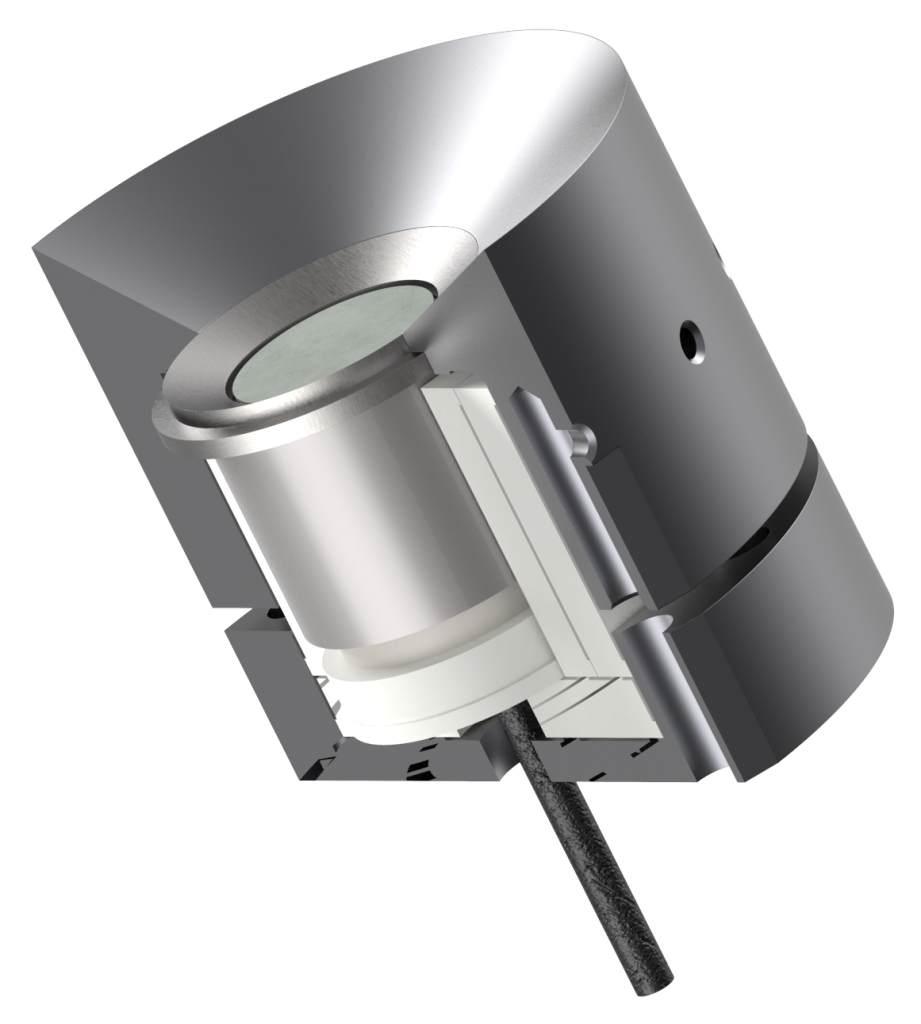
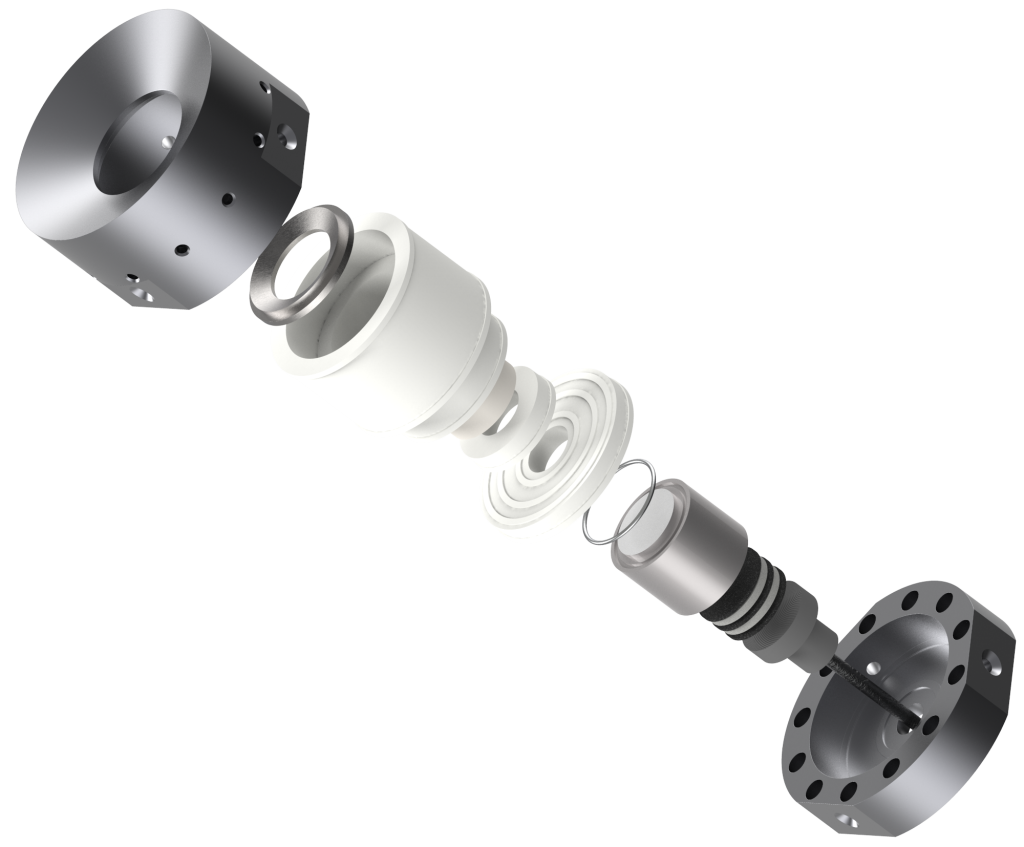
SiC block heater technology
Instead of filament or electron bombardment heating – which suffer from plenty of limitations – we offer a newly developed block heater technology.
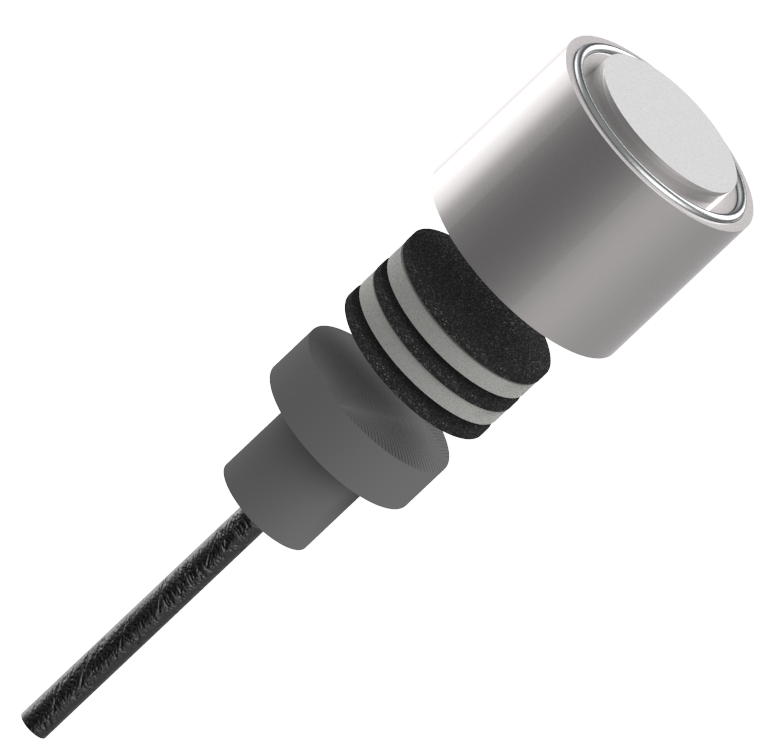
Emission source
Diameter: 18 mm @ 14 mm emission surface (can be increased). Thickness: 1.95 mm (double disc).
A robust and stable setup which resists immediate power shutdown.
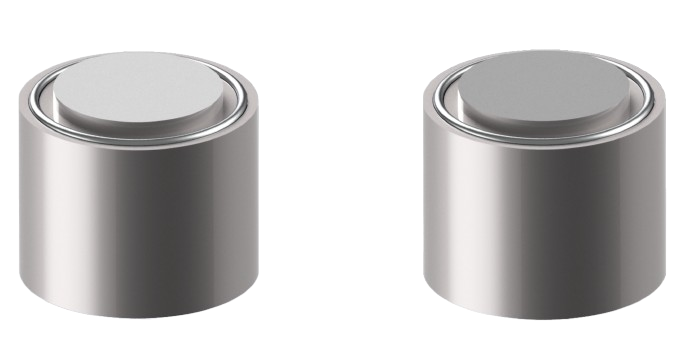
Emission material
Every alkali ion emission material is based on the following equation:
X2O Al2O3 1.5 – 2SiO2
where X can be Li, Na, K, Rb or Cs as well.
Improved method for emission surface formation: homogenize the constituent in tincture (solution) to reach molecular level mixing.
Lithium – 3 mA/cm2, Sodium – 3 mA/cm2, Potassium: 2 mA/cm2, Rubidium – 1.5 mA/cm2, Caesium – 1 mA/cm2
Parameters
| Final resistivity | 1-1.5 Ohm @ 20 oC |
| Maximum temperature | 1500 oC (at empty source) 1400 oC with any ion emission material |
| Heating parameters | 60 A / 4 V @ 1300 oC |
| Max. power density | 300 W/cm2 |
References
Max Planck Institute for Plasmaphysics, IPP Greifswald, Wendelstein 7X – Alkali beam emission spectroscopy, Sodium sources
Max Planck Institute for Plasmaphysics, IPP Garching, ASDEX-U, Heavy Ion Beam Probe diagnostics, Rubidium, Cesium, Potassium sources
United Kingdom Atomic Energy Authority, Culham Science Centre, JET, Lithium beam diagnostics, Lithium sources
Chinese Academy of Sciences, Institute of Plasma Physics, EAST, Lithium sources